Check the capacity
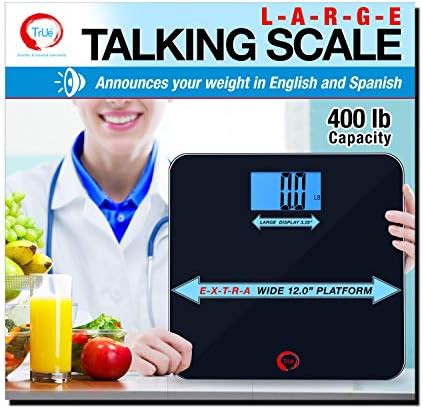
Ensure the scale is rated for your needs. This catalog includes options for 400 lb, 550 lb, and 660 lb capacities.
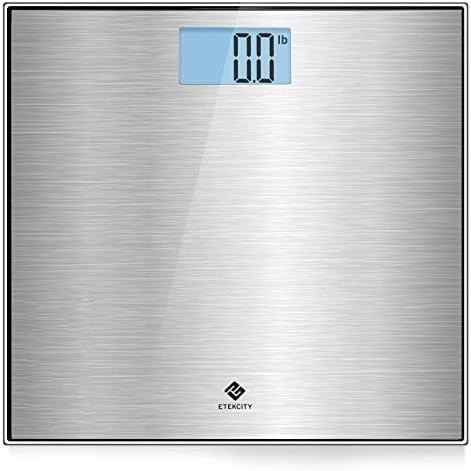
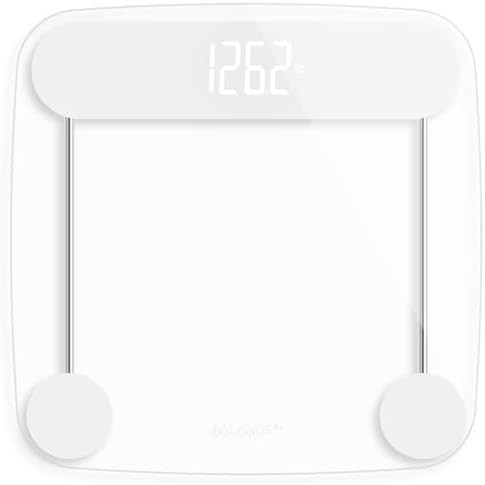
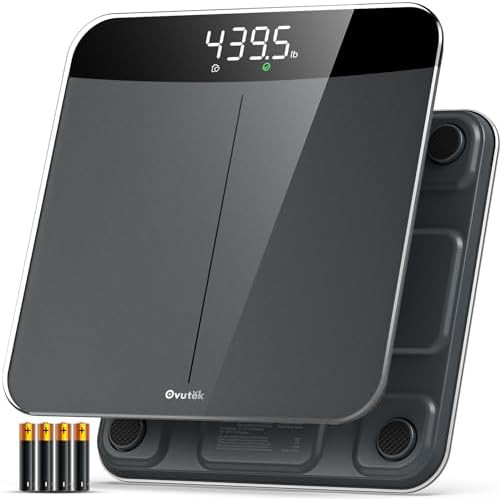
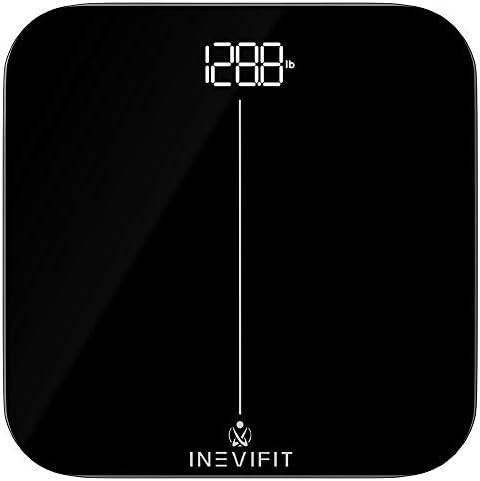
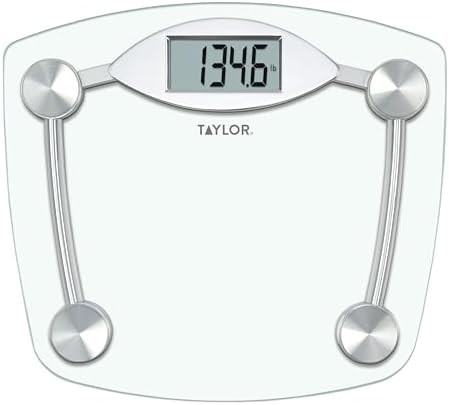
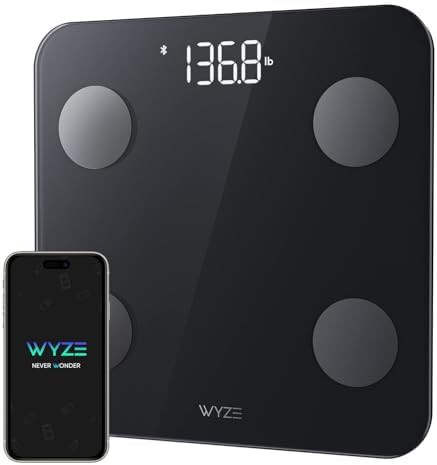
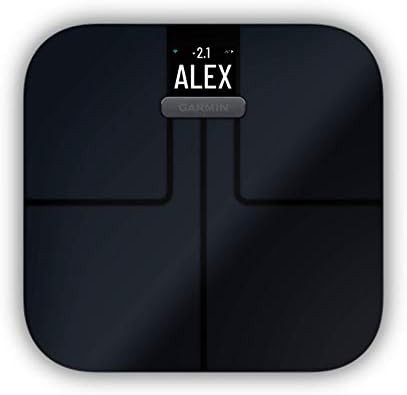
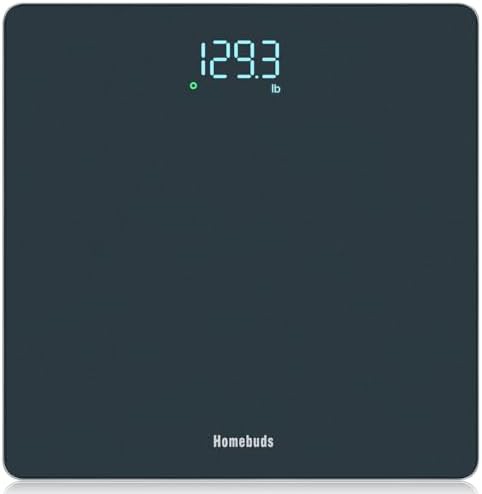
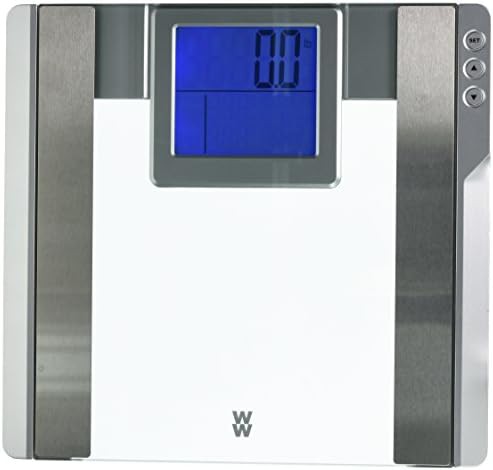
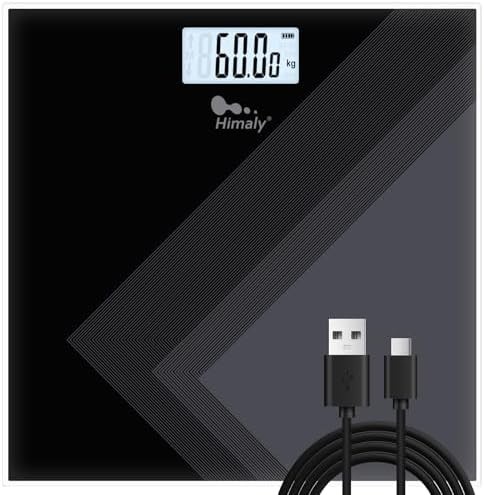
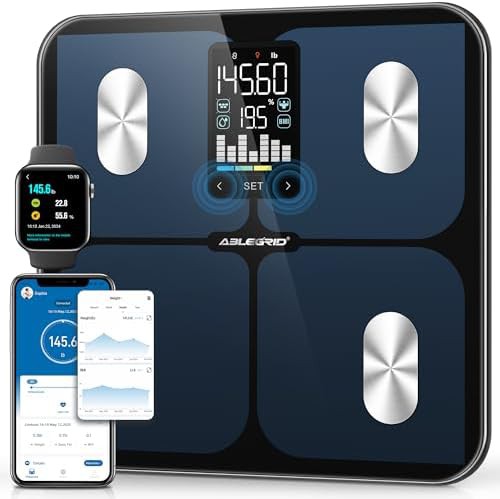
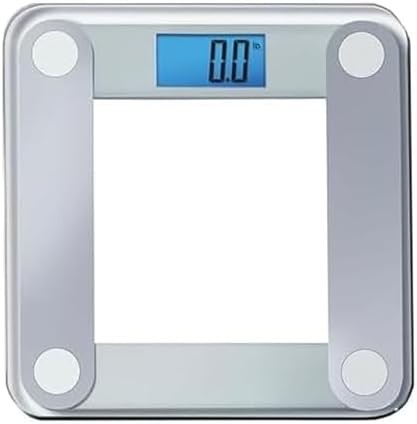
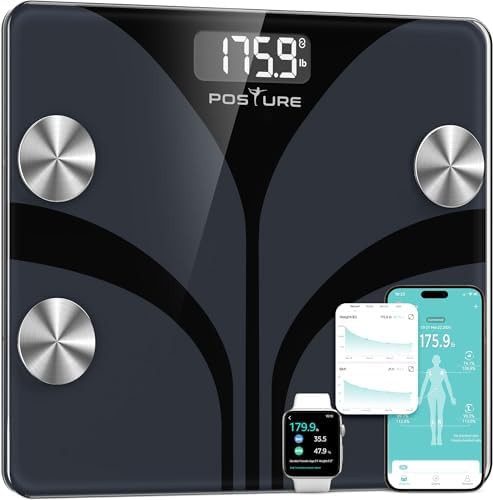
This catalog lists to help you track weight and health metrics at home. We organize these listings by capacity, sensor type, and connectivity to help you find a tool that fits your floor space and tracking needs.
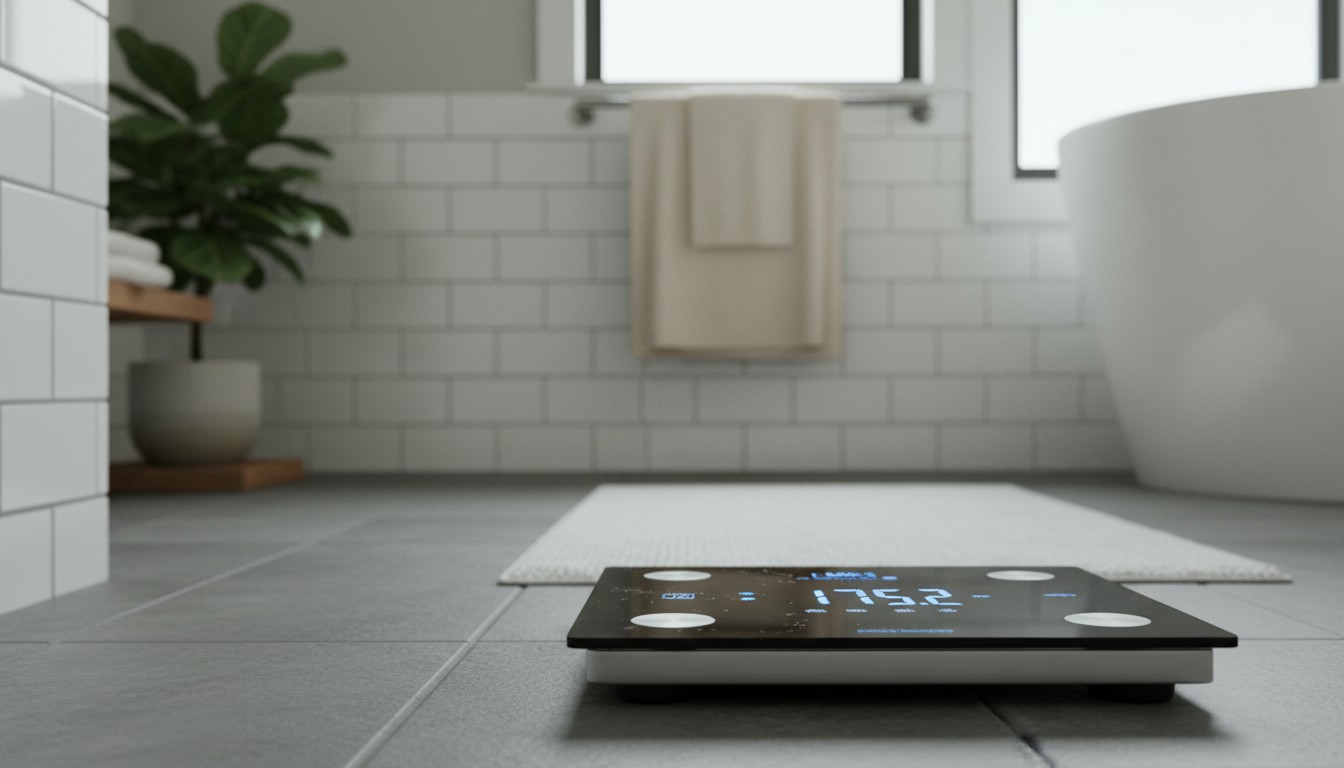
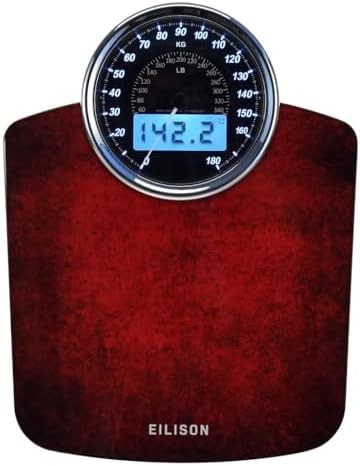
We sort these scales based on physical build and data output. This set includes everything from basic mechanical dials to 8-electrode smart systems.
These listings highlight the most common configurations for daily weight monitoring and fitness tracking.
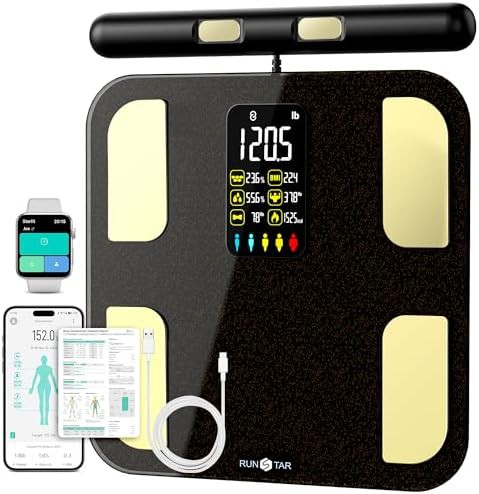
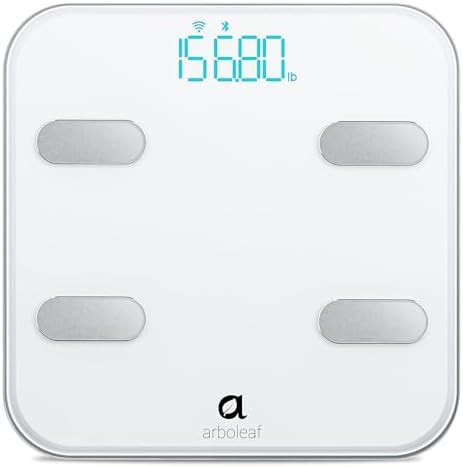
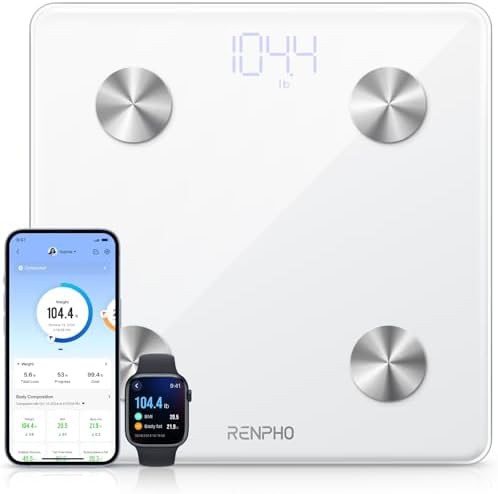
These scales help fitness enthusiasts track body composition and heart rate with high accuracy. Use the app sync features to monitor muscle mass and body fat trends over time
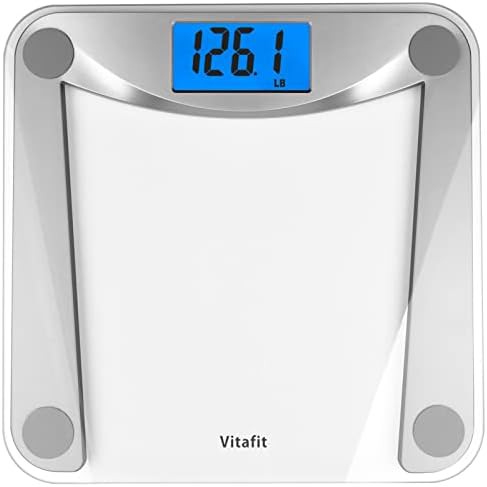
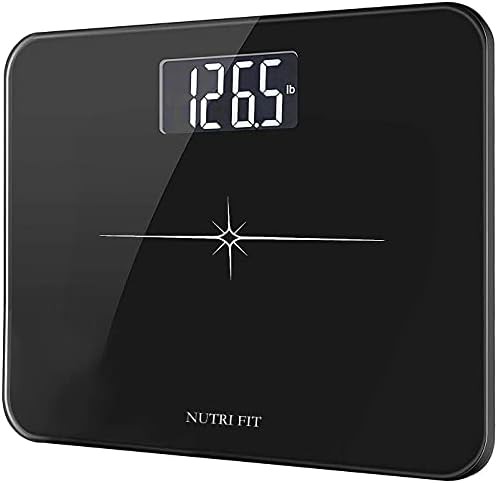
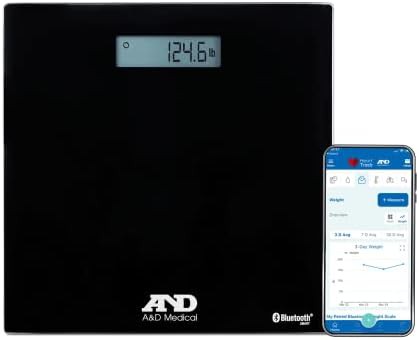
These high-accuracy scales provide precise weight and body composition readings down to 0.1 lb. Use the smart models to track BMI, body fat, and muscle through a dedicated app
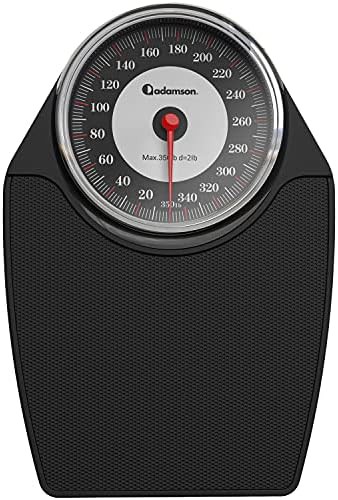
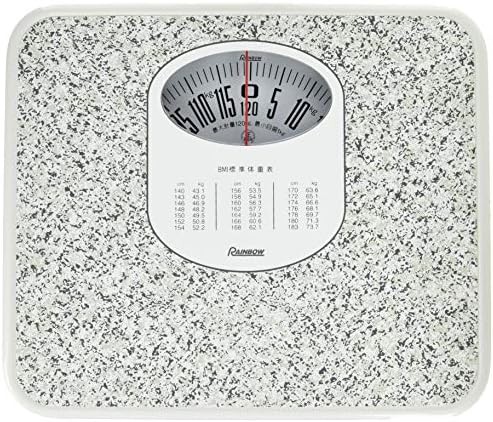
These hybrid scales combine a classic analog dial with a digital readout for easy viewing. They offer a simple way to track body weight with a high-capacity 400 lb limit
Filter the by material, display type, or specific health metrics like heart rate or bone mass.
Ensure the scale is rated for your needs. This catalog includes options for 400 lb, 550 lb, and 660 lb capacities.
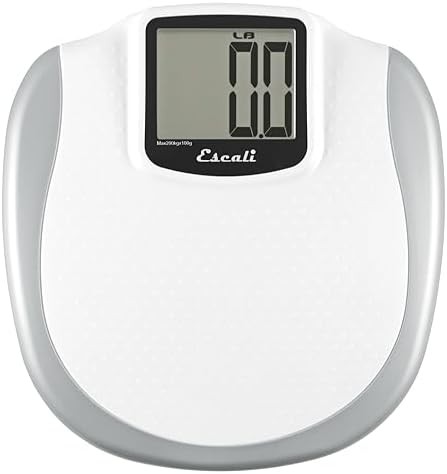
Choose between large LCDs, backlit screens for low light, or talking scales for the visually impaired.
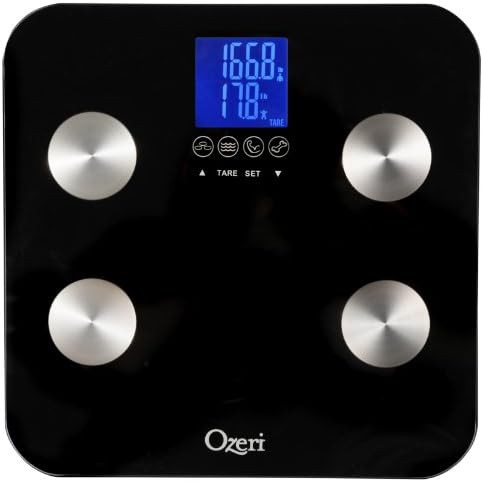
Decide if you need just a weight reading or a full report including BMI, muscle mass, and body fat.
A digital scale shows your weight on a screen but does not save the data. A smart scale uses Bluetooth or Wi-Fi to send your weight and body metrics to a phone app for long-term tracking.
These scales use bioelectrical impedance by sending a low electronic pulse through your feet. The scale measures resistance to estimate fat, muscle, and water weight.
Analog scales use springs and do not require batteries, which makes them reliable for simple weight checks. Digital scales are usually easier to read and offer more precise increments like 0.1 lb.
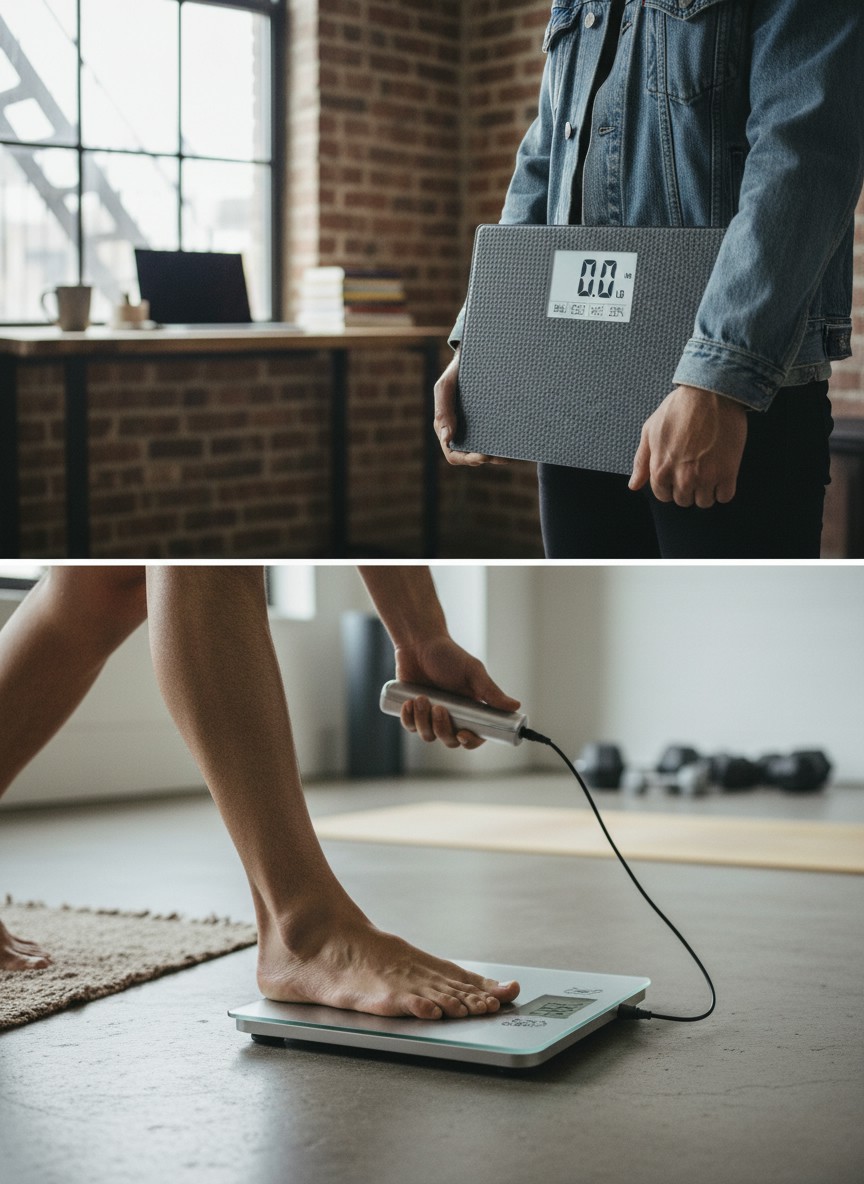
These models include a pull-up handle so sensors can measure both your upper and lower body. This provides a more detailed look at muscle and fat distribution across different limbs.